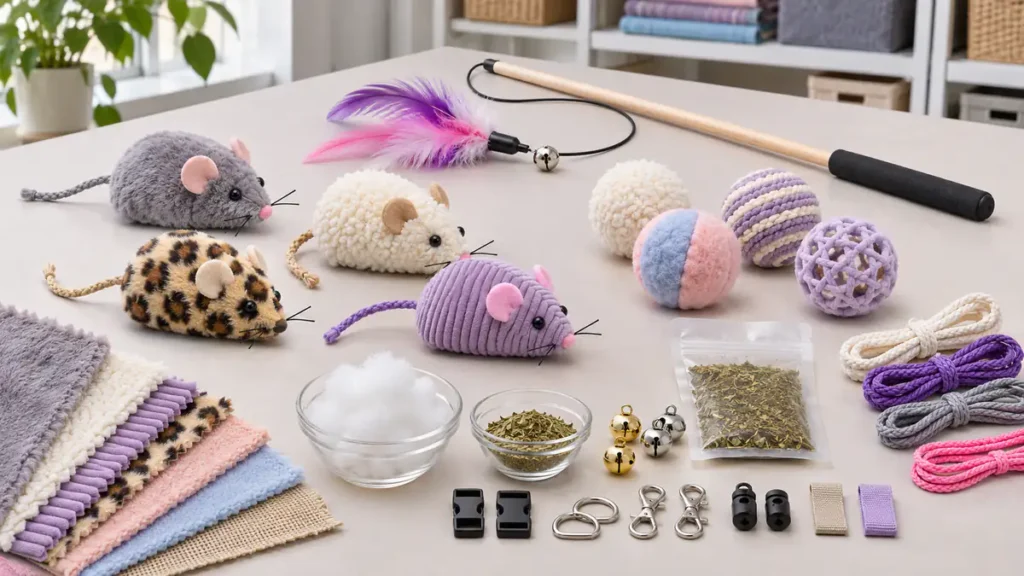
Cat Toy Manufacturer Guide: Fillers, Attachments and Durability Tests
Compare cat toy manufacturers by construction controls, fillers, attachments, cords, seam tests, catnip records, packaging and change control.
Guides on launching a branded pet product at the smallest order that still makes commercial sense. What 100, 300, 500 and 1,000 units actually buy, how white label, private label and OEM differ, where a first-order budget goes, and which costs new brands most often miss.
Compare cat toy manufacturers by construction controls, fillers, attachments, cords, seam tests, catnip records, packaging and change control.
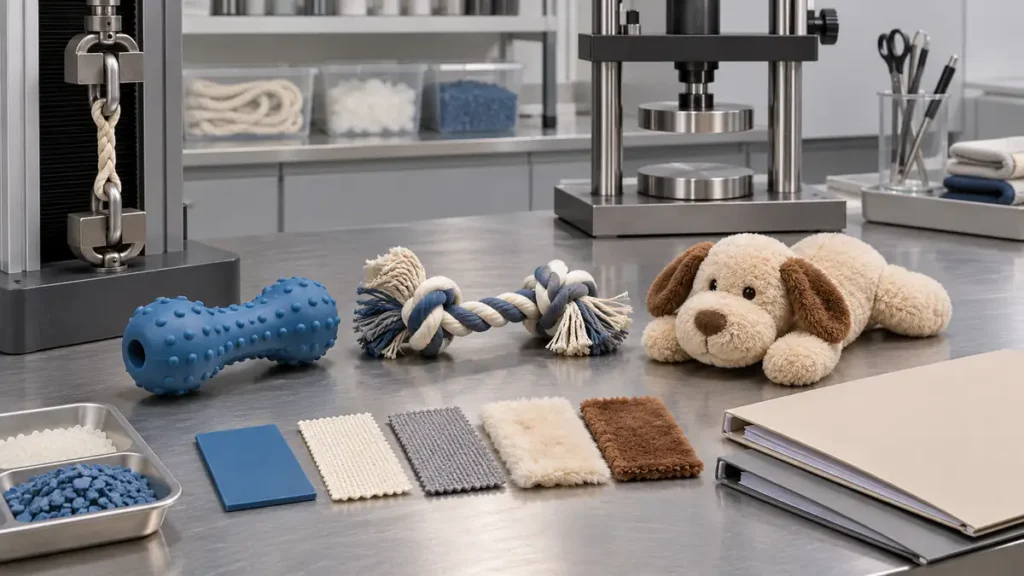
Build a risk-based dog toy testing plan for materials, foreseeable failures, construction tests, chemical evidence, labeling and retest triggers.
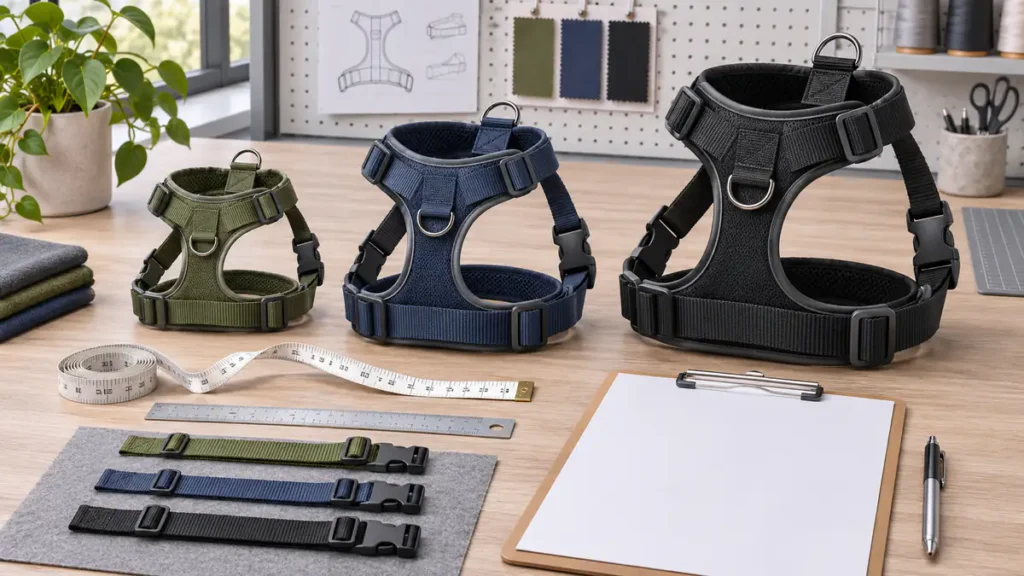
Build a production-ready dog harness size chart with defined measurement points, adjustment ranges, size overlap, grading rules, fit trials and tolerances.
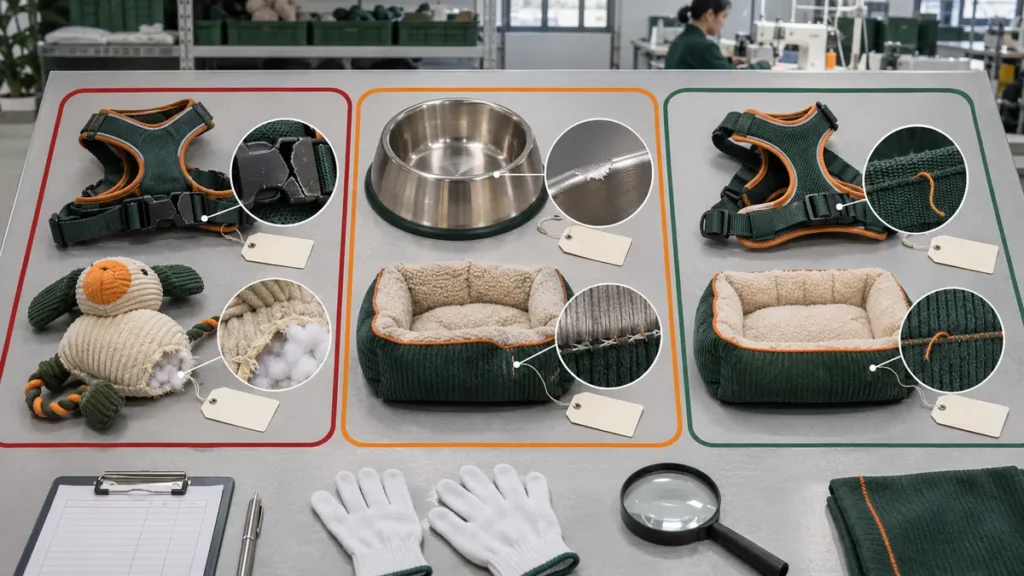
Learn how to classify pet product inspection defects as critical, major or minor with practical examples for harnesses, toys, beds, bowls and packaging.
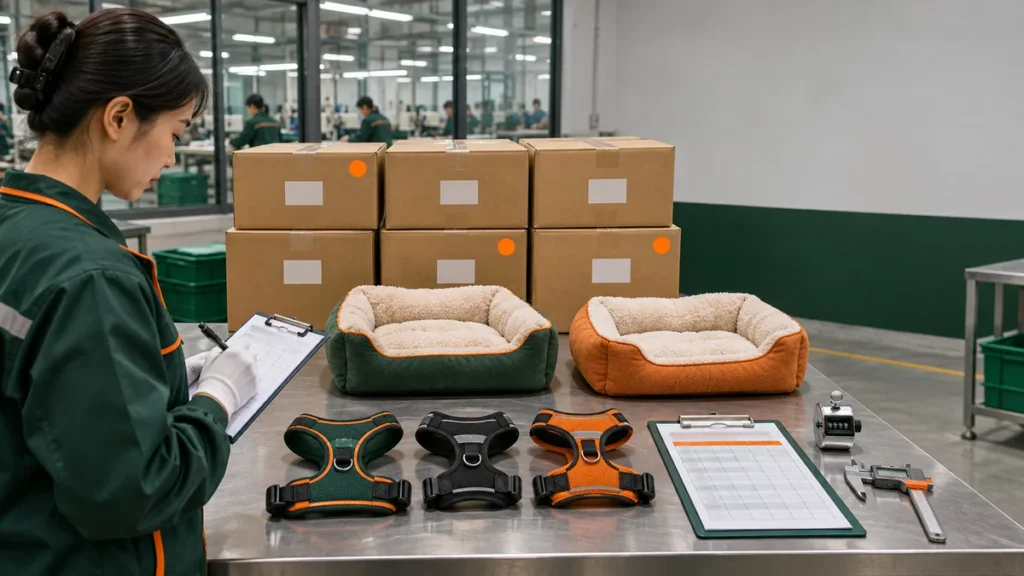
Learn how to read an AQL sampling table, choose a sample size, find Ac/Re limits and apply the plan to pet product inspections.
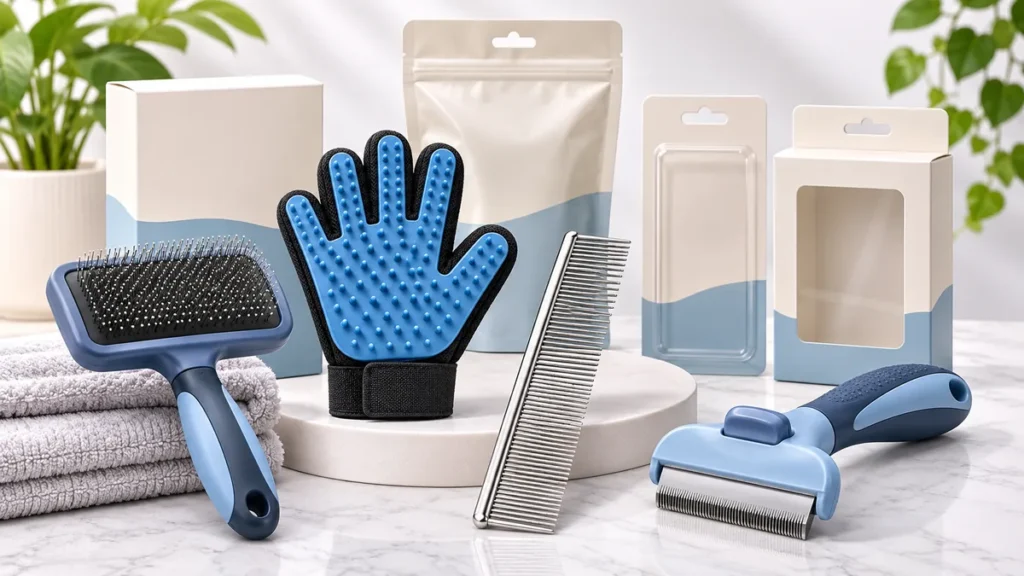
A buyer-focused guide to building a wholesale private label range of pet brushes, combs, deshedding tools, inspection methods and retail packaging.
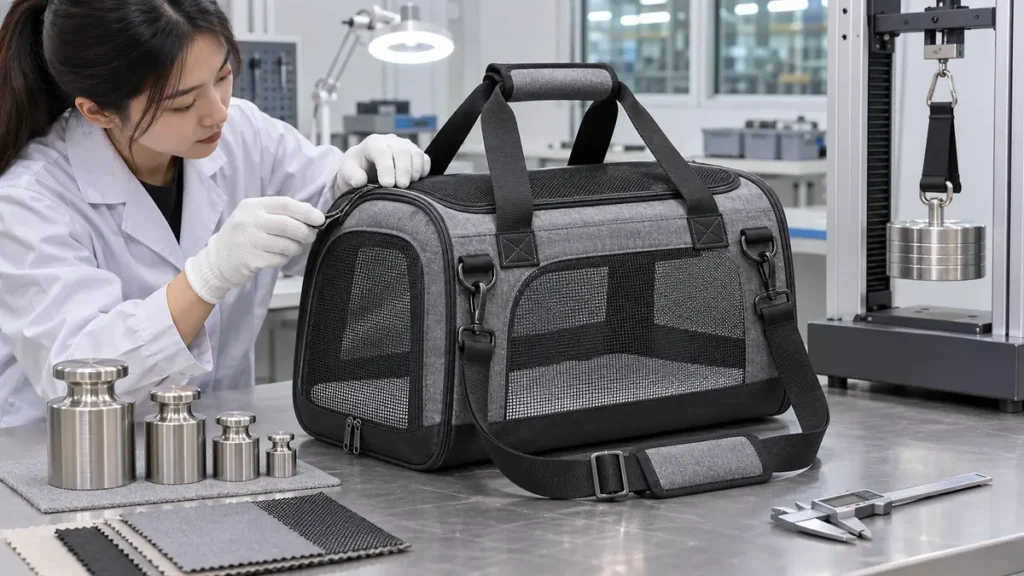
A buyer-focused guide to pet carrier construction, ventilation, sizing, zippers, stitching, load tests, packaging and supplier evidence.
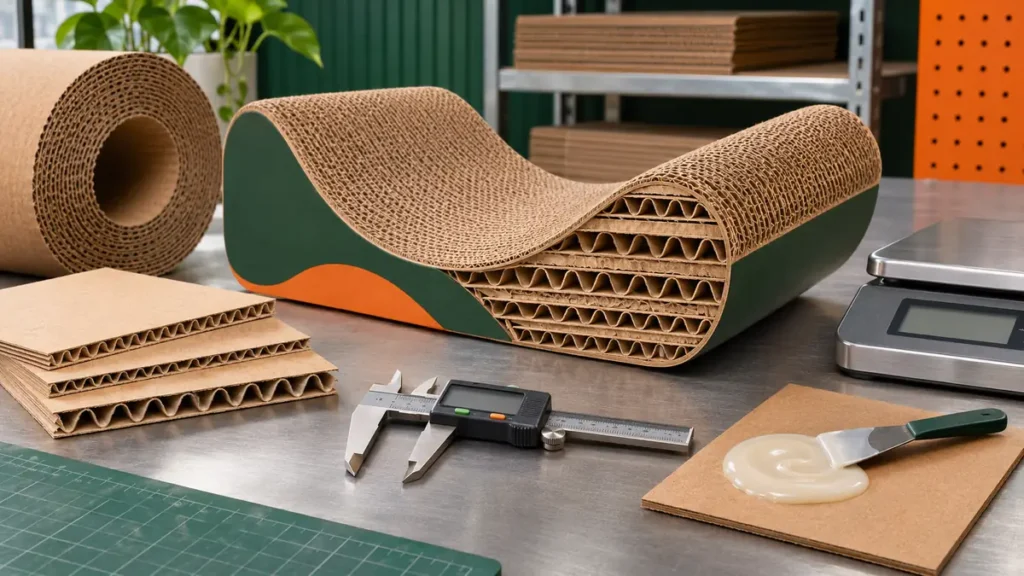
Compare cat scratcher manufacturers using board weight and thickness, adhesive controls, shedding checks, load tests and packaging drop evidence.
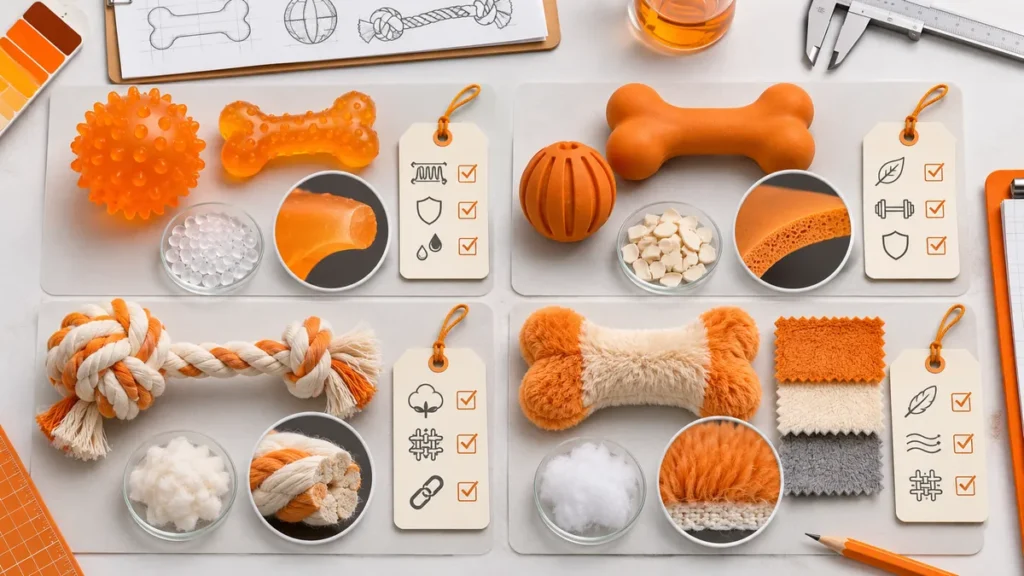
Compare TPR, natural rubber, rope and plush dog toys by material, construction, pull and seam tests, warnings, chemical records and RFQ evidence.
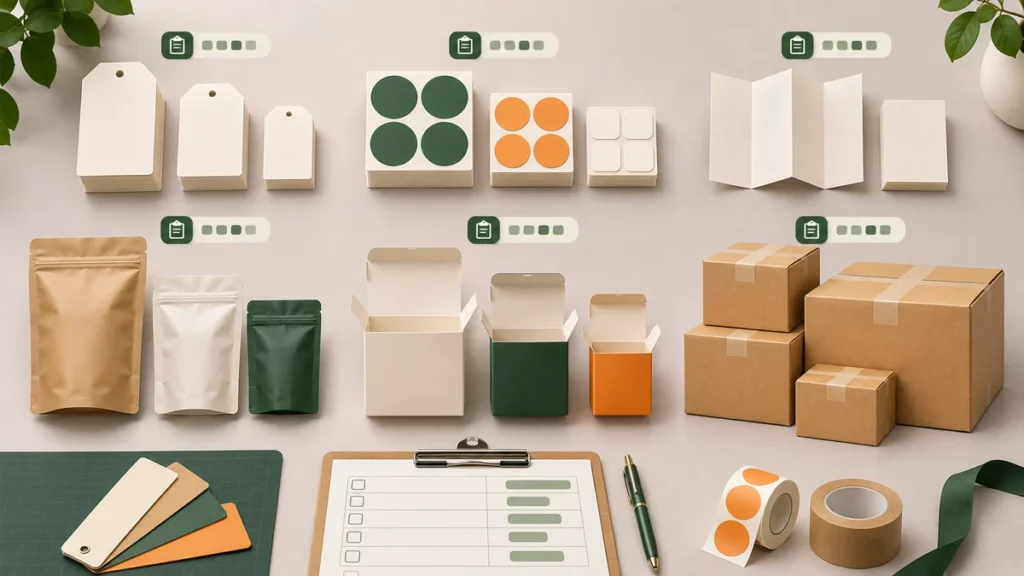
Plan pet product packaging MOQs by component, share cartons and pouches across SKUs, use late-stage labels, and calculate excess inventory risk.